
1.8 Million Sign Ups for 5,000 Seats: What Raye's Bot Problem Means for Grassroots Touring
Raye opened sign ups for one night at the Royal Albert Hall and received 1.8 million registrations for roughly 5,000 seats. Late on Monday 12 October she told fans that hundreds of thousands of those registrations had been created by scalpers using AI bots, that her planned presale had been scrapped, and that her team would instead go through the list by hand to find people they believed were real fans. "It is a new world we are living in now," she wrote. "I have never witnessed bots on this scale."
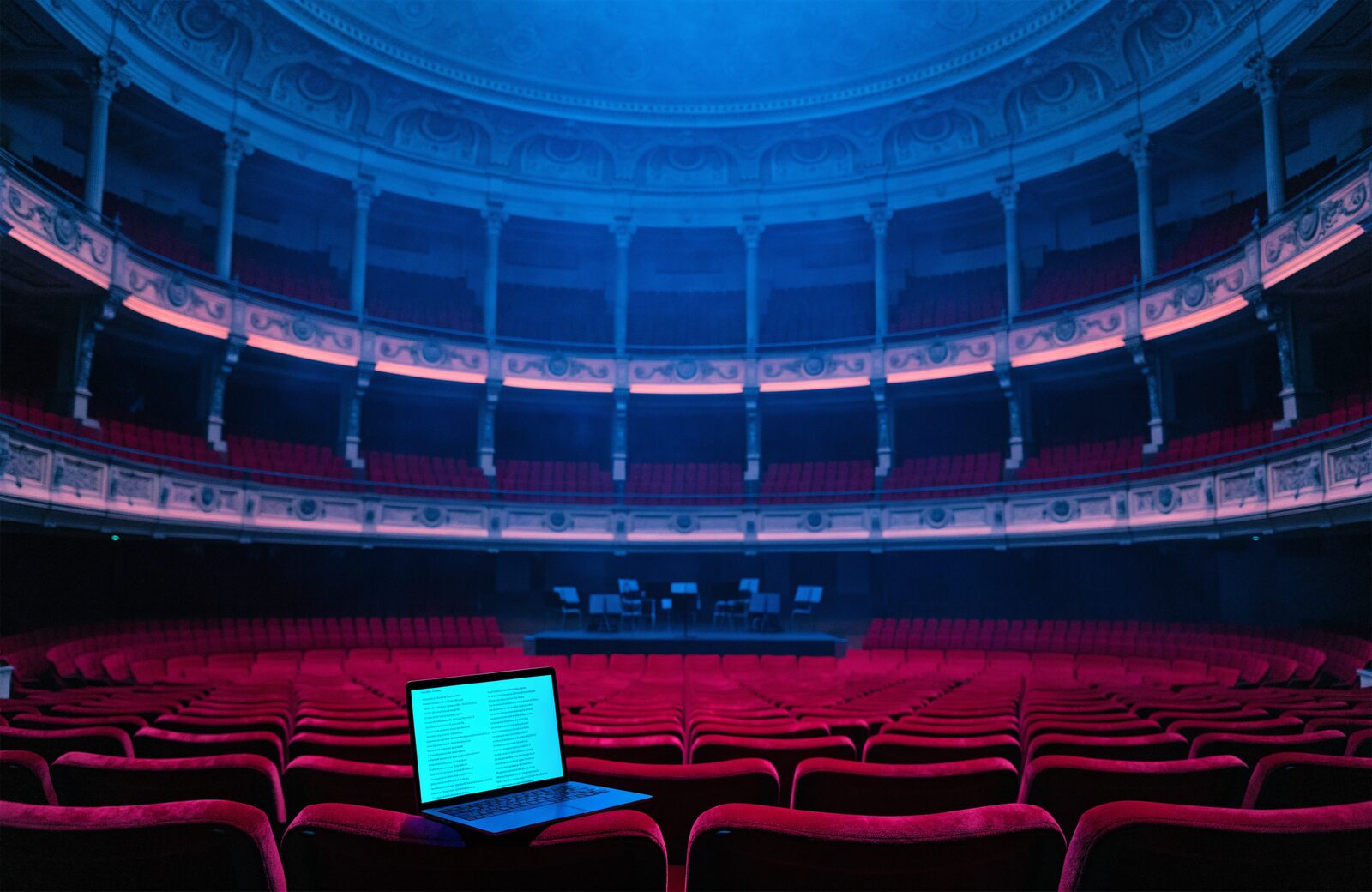
The show is This Symphony May Contain Hope on 23 October, an orchestral reworking of her album This Music May Contain Hope with The Heritage Orchestra and Flames Collective. It is a prestige night for one of the most decorated British artists of the decade, and it has become the clearest demonstration yet that the old defences against ticket touts no longer hold. That matters far beyond Kensington Gore. The tools that broke Raye's sign up form are cheap, automated and getting cheaper, and the people who will pay for them in the long run are the working musicians and small venues at the bottom of the touring ladder.
What actually happened to the Royal Albert Hall presale
The plan was conventional. Fans registered through Raye's official site, registrants would receive a presale link, and tickets would be sold first come, first served on Tuesday 13 October at midday, with general sale following on Thursday 15 October at 10am. Registration is supposed to be the filter: one person, one entry, one chance at a code.
Instead the list filled with fake entries. Raye's team decided that "rather than risk opening a presale that scalpers could exploit", the safest option for this specific show was a manual review, with selected applicants emailed links and codes shortly before the sale opened. Those who were not chosen keep their chance on general sale.
The fix did not produce a smooth day. Fans reported crashes on the Royal Albert Hall website, rejected codes and failed purchases after reaching the front of the queue. Within hours one fan posted that four tickets were already listed on StubHub at £608 each. Trade publication TicketNews has rightly pointed out that nobody has yet shown those technical failures were caused by the same bots that flooded registration, and the distinction is worth holding onto. A bot problem and a box office problem can arrive on the same morning without being the same problem.
The venue's own figures show the pressure it was already under. The Royal Albert Hall says it routinely blocks millions of bot requests, including more than 38 million in a single 24 hour period, and still regularly sees tickets advertised at vastly inflated prices.
Why a sign up form failed where queues once held
For a decade the industry's answer to touts has been friction. Registration windows, verified fan schemes, randomised queues and purchase limits all work on the same assumption: that creating a convincing human identity takes effort, so most people can only manage one or two.
Generative AI removes that effort. A script can now produce thousands of plausible names, email addresses and browsing patterns in the time it takes a fan to type their postcode. A registration form that only asks for an email is no longer a filter; it is an open door with a counter attached. Purchase limits fail for the same reason, because a limit of four tickets per person means nothing when one operator controls ten thousand people.
The UK already has a law aimed at part of this. The Breaching of Limits on Ticket Sales Regulations 2018 made it a criminal offence to use software to buy tickets beyond an event's limits for resale at a profit. It was written for bots that hammer checkout pages, and it does not obviously reach the creation of fake presale registrations, which is where Raye's process broke. Enforcement since 2018 has also been rare enough that the people running these operations treat it as a manageable risk.
The cost of protecting fans now falls on artists
Look at what Raye's team actually had to do: abandon a planned process, assign people to review a list of 1.8 million entries by eye, and make individual judgements about who counts as a real fan, all within a day. That is staff time, management time and reputational risk, carried by the artist rather than the ticketing company or the touts.
Adam Webb of the FanFair Alliance, the campaign group that has spent years pressing for action on secondary ticketing, described the touts' operation to Sky News as "a kind of organised crime" and put the burden plainly: "Until there's proper enforcement of the law, you end up with so much pressure on the artists' shoulders to try and fix this problem. And it's really, really difficult."
Raye can absorb that pressure. She has a management company, a promoter, a major venue and a fanbase loyal enough to forgive a messy presale. An act selling out 400 capacity rooms has none of that. If the norm for any show with real demand becomes manual vetting, identity checks or paid anti bot services, those costs land on the tour budget as surely as fuel and accommodation, and on a grassroots tour every extra cost comes straight out of the band's fee.
There is a second cost, and it is harder to measure. Manual selection means somebody decides who gets in. Raye's team has not published its criteria, and there is no suggestion it acted unfairly, but the more often artists are forced to curate audiences by hand, the more often genuine fans will be wrongly rejected and blame the artist rather than the bots.
What the coming resale cap will fix, and what it won't
The government is preparing legislation to stop tickets being resold above their original price plus unavoidable fees, alongside a cap on resale platform fees and penalties under consumer law of up to 10% of global turnover. Creative Industries Minister Ian Murray said earlier this month that £400,000 a day is leaving fans' pockets for touts and that he hopes the bill can move faster than first planned. A draft bill is promised during the current parliamentary session, though no date has been set.
A cap attacks the motive. If a £60 ticket cannot legally be sold for £608, the business case for running ten thousand fake identities weakens sharply. That is the strongest argument for it, and the Competition and Markets Authority has backed the same logic.
What a cap will not do is make a registration form secure, stop a box office website crashing, or guarantee that a presale code works. Critics also warn that capped resale may simply move offshore or onto social media, where buyers have even less protection. Working musicians should welcome the legislation and still assume that defending their own on sales remains their problem for some time yet.
Grassroots touring pays for this problem without ever seeing it
Bots rarely bother with a Tuesday night in a 200 capacity room, because the resale margin on a £12 ticket is too thin. That might suggest grassroots touring is safe. It is not, for three reasons.
The first is money. Every pound a fan hands a tout for an arena ticket is a pound not spent on the support act's merchandise, the local headliner next month or a speculative night at a venue they have never visited. Live music budgets are finite, and the Music Venue Trust has long argued that small venues run on margins of around 2.5%, with 53% making no profit at all in the year to July 2025. Grassroots venues survive on discretionary spending, and touts are draining it at the top.
The second is the levy. The voluntary £1 Grassroots Levy on arena and stadium tickets, administered by the LIVE Trust, exists to move money from the biggest shows down to the venues, promoters and artists that feed them. It is collected on primary sales at face value. When a ticket is resold for ten times its price, the grassroots sector still receives one pound and the tout keeps the rest. We have written before about how grassroots venues end up subsidising the careers built on top of them, and secondary ticketing widens exactly that gap.
The third is that the tools will scale down. A bot farm that costs almost nothing to run will eventually be pointed at any act with a sudden spike in demand: a viral clip, a festival breakthrough, a sold out hometown show. Those are the moments an emerging artist most needs real fans in the room, and the moments they are least equipped to defend.
The practical response is to own the relationship with your audience before anyone else can. Sell early allocations through your own mailing list rather than an open form. Use ticketing partners that offer face value resale and named tickets for shows where demand is real. Keep capacity honest and add dates rather than leaving a single show to be stripped. And when a promoter offers a deal, ask what their anti tout measures are and who pays for them.
Raye ended her statement with a line every manager in the country should take seriously: "I'm not sure what the future holds for ticketing." Nobody is. What is already clear is that the defences built for human queues have failed against automated ones, that the cost of the gap is being pushed onto artists, and that the grassroots circuit, which never sees the touts directly, will feel the drain long before the law catches up. Getting your own ticketing house in order now is cheaper than repairing it after the first time it breaks.