
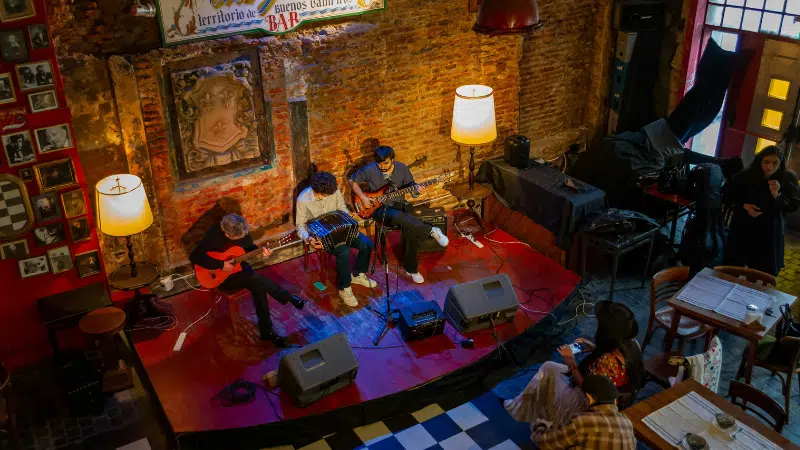
The Grassroots Venue Revolution: Why Your Touring Strategy Needs a Complete Rethink
The live music infrastructure in the UK has fundamentally changed, and most artists are still playing by the old rules.
In 1994, a typical UK tour spanned 22 dates across 28 locations. By 2024, tours had shrunk to just 11 dates in 12 major cities. The touring circuit has collapsed by half in three decades.
This dramatic contraction means something important: DIY and community-run venues have moved from the margins to the centre of how artists build sustainable careers. Understanding how to work with these spaces determines whether you tour successfully or watch opportunities evaporate.
We need to talk about what this shift means for your negotiation strategy, your revenue model, and your relationship with the venues that can make or break your touring calendar.
The Financial Reality Behind the Curtain
Grassroots music venues operated on an average profit margin of just 0.48% in 2024. Nearly half reported a loss in the last 12 months.
The sector as a whole effectively subsidised live music activity to the tune of £162 million in 2024.
This matters because you're negotiating with venues that are already operating at a loss. The traditional artist-venue dynamic where you push for the highest possible guarantee no longer reflects the economic reality on the ground.
When you walk into a venue asking for £500 upfront, you're asking an organisation with a 0.48% margin to take on significant risk. The average grassroots venue turnover was £648,852 in 2024, with only 21.6% generated through ticket sales. Average ticket prices sit at just £11.48.
The maths tells you everything: these venues survive on bar sales, food, and creative revenue streams. Your door deal alone rarely sustains these spaces.
What This Means for Your Approach
You need to shift from extraction to collaboration. The venues that survive the next five years will be the ones that build genuine partnerships with artists who understand their constraints.
This doesn't mean accepting terrible deals. It means structuring deals that acknowledge reality and create mutual benefit.
Consider these alternatives:
- Lower guarantees with higher percentage splits after costs
- Co-promotional arrangements where you bring your audience and the venue amplifies through their channels
- Multi-date residencies that reduce per-show risk for the venue
- Merchandise partnerships where venue staff actively promote your merch in exchange for a small percentage
- Off-peak bookings at reduced rates to help you build touring experience
The artists who thrive in this environment understand that a venue operating at breakeven is a venue that will book you again.
The Community-Ownership Model Is Gaining Ground
Something significant happened in 2024: 33% of grassroots venues are now registered as not-for-profit entities. That's a 29% increase in not-for-profit registration since 2023.
Music Venue Properties' 'Own Our Venues' initiative raised £2.88 million and secured the future of venues including The Snug in Atherton, The Ferret in Preston, Le Pub in Newport, The Bunkhouse in Swansea, and The Booking Hall in Dover.
This structural shift changes everything about how you approach these venues.
Community-owned venues operate with different priorities. They measure success in cultural impact, community engagement, and long-term sustainability rather than quarterly profits. Your negotiation needs to speak to these values.
How to Position Yourself with Community Venues
When you approach a community-owned venue, you're not pitching a transaction. You're proposing a partnership that serves their mission.
Frame your proposal around these elements:
- How your show contributes to their community programming
- Your willingness to engage with local music education or mentorship initiatives
- Your track record of bringing diverse audiences
- Your commitment to multiple bookings that help them plan sustainable programming
- Your flexibility on dates and formats
Wharf Chambers in Leeds exemplifies this model. It's a co-operative and members' club that hosts noise and experimental music whilst operating a lending library with books on race, gender, sexuality, queerness, diaspora, class, and radical political thought.
When you work with a venue like this, you're not just booking a room. You're joining a cultural ecosystem that values alignment over profit maximisation.
The Venue Crisis Creates Opportunities for Strategic Artists
67 nightclubs closed in the first three months of 2024 alone, with 48 being independently run. 125 grassroots music venues either closed or stopped hosting live music in 2023.
The crisis is real, but it's not uniform.
The venues that survive are the ones building genuine community ties and diversifying revenue. These are the venues you want to partner with for the long term.
In 2024, grassroots venues hosted 162,000 live music events, featuring almost 1.5 million artist performances to nearly 20 million fans. The total direct value to the UK economy was £526 million.
The volume is there. The infrastructure is fragile but functioning. Your job is to position yourself as part of the solution rather than another cost centre.
Building Long-Term Venue Relationships
Approximately 80% of artists and musicians started their careers performing at grassroots venues. The pathway from grassroots to arena is well-established, but it requires patience and strategic relationship building.
Here's what works:
- Consistency over one-offs: Book regular slots even when you could play larger rooms. Venues remember loyalty.
- Promote actively: Treat every show like it's your album launch. Venues notice which artists drive ticket sales.
- Engage with venue staff: Learn their names, understand their challenges, offer solutions.
- Be flexible on payment terms: If a venue is struggling with cash flow, discuss payment schedules that work for both parties.
- Bring value beyond the performance: Offer to do acoustic sets during quiet periods, participate in venue fundraisers, or mentor emerging artists.
The Royal Albert Hall became the first 5,000+ capacity venue to back the proposed £1 ticket levy on arena and stadium shows to funnel money back into grassroots venues. This signals where the industry is heading: recognition that grassroots infrastructure matters.
Position yourself on the right side of this movement.
Rethinking Revenue Beyond the Door Deal
With 78.4% of grassroots venue income coming from food, beverages, and other sources beyond ticket sales, you need to think about how your show contributes to the venue's overall revenue.
This opens up creative negotiation opportunities:
- Bar incentives: Negotiate a small percentage of bar sales during your set in exchange for a lower guarantee
- Extended performances: Offer a longer set or multiple sets to keep audiences in the venue longer
- Merchandise partnerships: Work with venues to create co-branded merchandise that benefits both parties
- Workshop or masterclass add-ons: Offer daytime sessions that bring additional foot traffic
- Social media collaboration: Create content that promotes both you and the venue to your respective audiences
The artists who understand venue economics can structure deals that work even in challenging financial environments.
What Happens Next: The Levy and the Future
In November 2024, the UK government accepted proposals that the music industry should introduce a voluntary levy on stadium and arena tickets to raise funds for grassroots venues, artists, and promoters.
This matters because it signals institutional recognition that the current model is broken. The proposed £1 levy represents an acknowledgement that grassroots infrastructure requires systemic support.
You want to be positioned as part of the solution when this money starts flowing. The venues that receive support will prioritise artists who demonstrated loyalty during the difficult years.
Playing the Long Game
The artists building sustainable careers in 2025 understand that grassroots venues represent the foundation of everything that comes later.
The temptation is to skip this level as quickly as possible, to chase larger rooms and bigger guarantees. That strategy works until it doesn't. When your audience development stalls or your booking pipeline dries up, you'll need grassroots venues to rebuild momentum.
Artists who maintain relationships with these spaces throughout their careers create insurance against the inevitable ups and downs of the music industry.
Your Action Plan: Starting This Week
The shift from traditional touring infrastructure to community-focused venues requires immediate strategic adjustment.
Here's what you can implement now:
Audit your current venue relationships. Which venues have you worked with multiple times? Which ones would book you again tomorrow? If the list is short, you have relationship work to do.
Research community venues in your target markets. Identify not-for-profit spaces and community-owned venues. Understand their mission and values before you pitch.
Restructure your standard deal terms. Create flexible deal options that acknowledge venue financial constraints whilst protecting your interests.
Build co-promotional capacity. Develop your social media presence, email list, and promotional skills so you can offer genuine value to venue partnerships.
Think beyond single shows. Propose residencies, workshop series, or multi-date bookings that reduce per-show risk for venues.
Document your impact. Track your attendance numbers, social media engagement, and audience demographics. Venues need this data to justify bookings.
Engage with venue communities. Attend shows when you're not performing. Support other artists. Participate in venue fundraisers. Build genuine relationships.
The Bottom Line
The grassroots venue sector is subsidising live music to the tune of £162 million annually whilst operating on margins of less than 1%. This model is unsustainable without fundamental changes in how artists and venues work together.
The artists who recognise this reality and adapt their approach will build stronger careers with more sustainable touring infrastructure. The ones who continue extracting maximum value from venues operating at a loss will find their booking options shrinking year after year.
We're at a turning point where the old rules no longer apply. The touring circuit has collapsed by half. Community ownership is rising. Government intervention is coming. The venues that survive will be the ones with genuine community ties and artist partnerships built on mutual sustainability.
Your touring strategy needs to reflect this new reality. The question is whether you'll adapt proactively or reactively.
The venues are still there. The audiences are still coming. The infrastructure is fragile but functioning. What changes is how you position yourself within this ecosystem.
Build partnerships. Think long term. Understand venue economics. Bring value beyond your performance. These principles determine who thrives in the grassroots venue revolution and who gets left behind when the circuit continues to contract.
The choice is yours to make, but the window for adaptation is closing faster than most artists realise.