
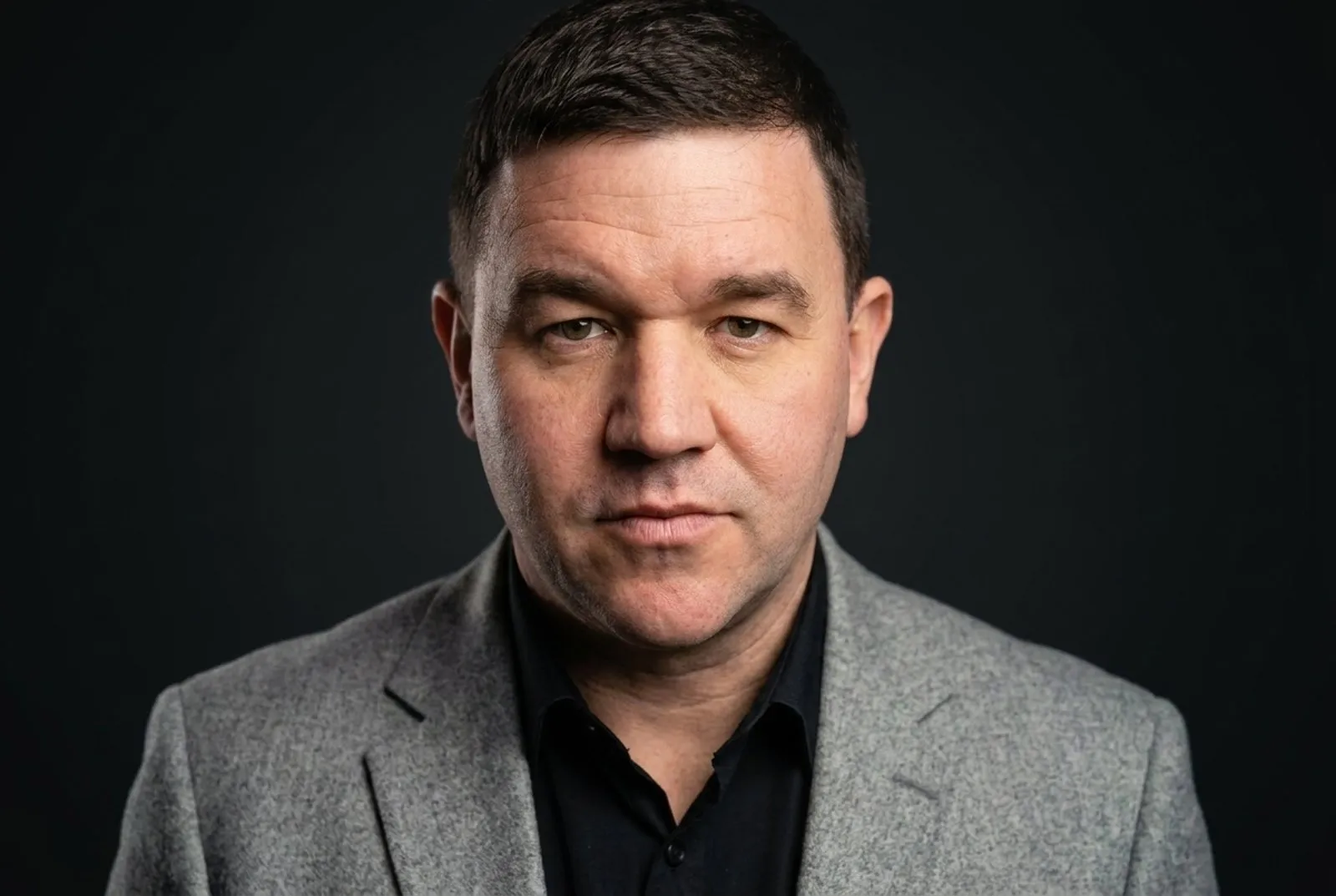
The Hottest Summer on Record: Ben Marshall on Why Working Musicians Should Welcome It
Britain is living through its hottest summer on record, and most of the coverage treats it as nothing but a problem. Artist Republic's Chief Executive argues the heat is quietly rewriting the economics of live music in musicians' favour.
Ben Marshall is the Chief Executive Officer of Artist Republic, the Nottingham based music management company working with function bands, tribute productions, session musicians and original artists across the UK, Europe, the United States and the Middle East. He is a regular commentator on the music industry and beyond for BBC radio and television, and leads a group of companies spanning live production, technical services and music law education. Find Artist Republic at artistrepublic.co.uk and on Instagram, Facebook and X.
This week the thermometer passed 38 degrees, the fifth heatwave of the summer rolled through, and the Met Office confirmed that the hottest British summer ever recorded is now the likeliest outcome. Most of what has been written about it is, quite reasonably, about the strain: on trains, on hospitals, on gardens, on sleep. But I run a music management company, I spend my days looking at booking sheets, and I can tell you that the picture from where I sit looks rather different. For working musicians, this heat is creating opportunity at a pace I have not seen in twenty years around the industry.
The outdoor season is stretching in both directions
The traditional British events season ran from late April to early October, with everything outside those months planned nervously around marquee heating and wet weather contingencies. That window is widening year on year, and this summer has blown it open. Couples are booking garden ceremonies in March and late October with a confidence that would have seemed reckless a decade ago. Corporate clients who once defaulted to a hotel function room in September are asking for terraces and courtyards. Every one of those decisions adds performance dates to the calendar, and dates are the raw material of a musician's living. A season that grows by six weeks at each end is not a marginal change. It is close to a third more selling time.
Outdoor stages quietly solve the noise limiter problem
Anyone who has played a barn conversion or a listed hall knows the misery of the noise limiter: the traffic light on the wall that cuts the power the moment a drummer enjoys himself. We publish guidance on this and it is one of the most read things on our site, because restrictive limiters and ceiling mounted speaker systems flatten a live band's impact like nothing else. The move outdoors changes that conversation entirely. A lawn has no operating licence condition wired to a power cut. Sensible sound management still applies, and residential boundaries still matter, but band after band on our roster has found that the outdoor stage lets them deliver the show they were actually booked for. Clients hear the difference, reviews improve, and referrals follow.
Hospitality is programming live music to hold its customers
Walk through any town this summer and look at where the money is being spent: beer gardens, rooftops, terraces, street food yards. Hospitality operators have learned that in this weather their outdoor space is their most valuable asset, and that people stay longer and spend more when something is happening in it. Acoustic sets on a Sunday afternoon, duos on a Thursday evening, roaming performers at food festivals. Five years ago much of this work did not exist. It is now a dependable layer of income for players who once relied entirely on weekend function work, and it is exactly the kind of repeat, local, relationship driven booking that builds a sustainable diary rather than a lumpy one.
Daytime and acoustic formats are becoming products in their own right
The heat is changing what clients ask for, not just where they ask for it. Full evening productions still anchor the market, but afternoon slots have grown into a distinct product: pared back line ups, acoustic arrangements, shorter sets built for a crowd holding cold drinks in warm gardens. For musicians this is close to found money. The same repertoire, rearranged, sold as a separate service, often to the same client on the same day as the evening show. Bands on our books who built a dedicated afternoon offering two years ago are now selling it on a majority of their summer bookings. That is new revenue conjured from arrangement and packaging rather than from more nights away from home. There is a wider ripple here for the wedding market too. Venues that once sold their gardens as a backdrop for photographs now sell them as performance spaces, and couples plan their day around an outdoor drinks reception with live music at its centre. That single change has turned the afternoon acoustic set from an optional extra into one of the most requested services on our books, and it has pulled bookings toward acts flexible enough to play unplugged at four o'clock and fully amplified at nine. The musicians winning that work are not necessarily the best players. They are the ones who noticed the shape of the day changing and packaged themselves for it.
The players who adapt will own the next decade
None of this arrives free of effort, and I will not pretend the heat is kind to the people working in it. Instruments detune, electronics protest, and a three hour set in 34 degrees is a physical event. The musicians profiting from this summer are the ones treating heat as a production factor: shade and water written into their booking terms, earlier load ins agreed in advance, backup power discussed before the day rather than during it, voices and bodies managed like the professional instruments they are. They are also the ones reading the larger signal. The climate that produced this summer is not an anomaly that will politely reverse. Britain is drifting toward a Mediterranean pattern of outdoor living, and the countries that already live that way, Spain, Italy, southern France, sustain live music cultures that dwarf ours per head of population. The bands building outdoor ready products now are positioning themselves for that future while their competitors wait for rain.
The heat is real, the strain is real, and nobody who spent this week loading a van in it needs telling. But strip away the discomfort and look at the booking economics, and this summer is delivering working musicians a longer season, freer stages, new venues, new formats and a client base rediscovering how much better live music is outdoors. The weather has handed our industry a gift. The musicians who unwrap it deliberately, rather than simply sweating through it, will still be feeling the benefit when this record summer is a line in the history books.