
Why Birmingham's Christian Music Boom Signals Global Opportunity
Something's happening in Birmingham. And it matters far beyond the Midlands.
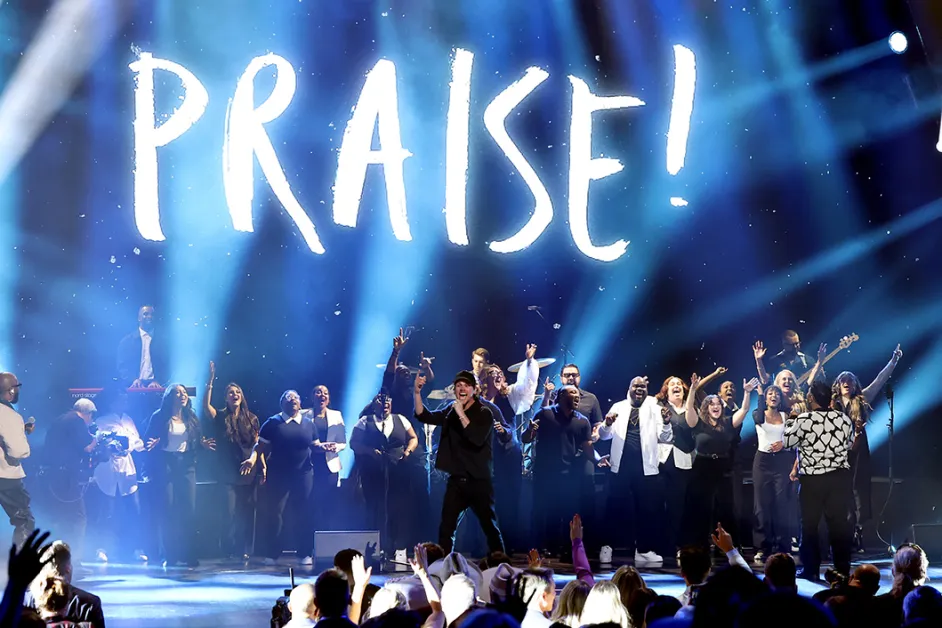
Contemporary Christian Music has skyrocketed in popularity across the city, with artists like Brandon Lake and TobyMac selling out major venues. Queues stretch round blocks. Social media buzzes with testimonies. The energy feels less like a concert series and more like a movement.
But here's what makes this moment significant for Christian artists everywhere.
Birmingham isn't leading this surge. It's reflecting it.
The real story sits further north, in studios and bedrooms and church halls across the UK, where a generation of Christian artists are creating music that refuses to stay in its lane. They're blending grime with worship. Afrobeat with gospel. Hip-hop with hymns.
And the world is listening.
The UK's Unfinished Revolution
We've been here before, of course.
Throughout the 1990s, British artists like Matt Redman and Delirious? pioneered contemporary worship music that reshaped how churches around the globe approached sung faith. Tim Hughes followed. Labels like Kingsway and Word UK distributed this new sound internationally.
That generation established something crucial. They proved that British artists could create Christian music with global reach.
But what's happening now operates on different logic entirely.
The 90s pioneers worked primarily within worship contexts. Today's UK Christian artists are building something more genre-fluid, more commercially ambitious, more culturally diverse.
Artists like Guvna B, CalledOut Music, and Stormzy create music that blends hip-hop, grime, and afrobeat with explicitly Christian themes. They're not making "Christian versions" of popular genres. They're making genuinely excellent music that happens to express faith.
There's a volcanic quality to what's building. CalledOut Music put it plainly: "UK Gospel is about to erupt."
The Numbers Tell a Story
Global Christian music streaming has grown by more than 60% in the past five years. Last year marked CCM's biggest streaming numbers on Spotify ever. Gen Z listeners are driving significant portions of this growth.
These aren't niche figures. We're talking about a genuine commercial opportunity.
Part of what's fuelling this growth is simple quality. Christian music used to feel like a lesser version of whatever was popular in mainstream spaces. Artists can now create faith-based content that exists on the same professional level as anything else in the market.
The emotional vulnerability matters too. Artists like Brandon Lake and Forrest Frank create music that resonates with younger listeners who value authenticity over polish, raw expression over production perfection.
But there's something else happening beneath these trends.
The genre itself is becoming harder to define.
Genre-Fluid Faith
Christian music doesn't have one sound anymore. It never really did, but the industry often pretended otherwise.
The UK Christian Charts now cover twelve distinct categories: Contemporary Worship, Afrobeat, Contemporary Gospel, RnB/Soul, Electronic/Dance, ChillHop/Lofi, Pop, Indie/Folk/Acoustic, Rock/Metal, Poetry/Spoken Word, Rap, Reggae.
That diversity reflects something important about how faith intersects with culture.
British artists have always been comfortable with genre experimentation. It's part of our musical DNA, from The Beatles to Burial. That comfort translates naturally into Christian music spaces, where UK artists feel less constrained by what "Christian music" is supposed to sound like.
Guvna B creates grime tracks about faith that wouldn't sound out of place on BBC Radio 1Xtra. Limoblaze fuses afrobeat with worship in ways that appeal to both church audiences and streaming playlist curators. Jonathan Ogden crafts ambient worship that sits comfortably alongside secular chill-hop.
This genre-fluidity creates commercial opportunity. Artists aren't limited to Christian radio or church bookings. They can build audiences across multiple platforms, reaching listeners who might never step inside a sanctuary.
What Makes British Christian Music Different
There's a cultural intelligence to how UK artists approach faith expression.
Britain is post-Christian in ways that America isn't. Church attendance has declined steadily for decades. Faith exists here as one voice among many, not as cultural default.
That context shapes how British Christian artists create. There's less assumption of shared vocabulary, less reliance on insider language, more awareness that you're speaking into a genuinely pluralistic space.
It forces clarity. Authenticity. Accessibility.
British Christian artists can't assume their audience understands references to specific theological frameworks or church traditions. They have to communicate faith in ways that translate across cultural boundaries.
That skill becomes increasingly valuable in a global streaming economy where your music might reach listeners in Lagos, Los Angeles, or Lahore.
Birmingham as Bellwether
So we return to Birmingham.
The sold-out shows and queuing crowds aren't just about those specific artists. They're indicators of broader appetite for faith-based music that feels culturally relevant, professionally produced, and emotionally honest.
Birmingham sits in Britain's industrial heartland. It's diverse, working-class, unpretentious. If contemporary Christian music is connecting there, it suggests the genre has moved beyond its traditional middle-class, suburban church base.
That expansion matters for artists thinking about audience development.
The streaming data shows similar patterns. Christian music is growing fastest among younger, more diverse listeners who consume music primarily through playlists and algorithms rather than radio or church recommendations.
These listeners don't care whether you're signed to a Christian label or a mainstream one. They care whether your music connects.
What This Means for Christian Artists
The opportunity here is straightforward but not simple.
Create excellent music that expresses faith authentically without relying on genre conventions or insider language. Think globally from the start. Understand that "Christian music" increasingly means "music by Christians" rather than music confined to specific sounds or contexts.
The UK Christian music scene offers a template. Artists here have learned to navigate faith expression in post-Christian cultural contexts. They've developed approaches that work across borders and genres.
That doesn't mean copying what British artists do. It means learning from how they think.
Genre-fluidity matters. Cultural intelligence matters. Professional quality matters. Emotional authenticity matters.
But perhaps most importantly, confidence matters.
The best UK Christian artists don't apologise for their faith or for their ambition. They create music that stands on its own merits whilst expressing deeply held beliefs. They trust that authenticity will find its audience.
Birmingham's boom suggests that trust is well-placed.
Building Beyond Borders
At Artist Republic, we see this shift playing out in real time. The Christian artists gaining traction aren't the ones making music exclusively for church contexts. They're the ones creating genre-fluid content that works in multiple spaces.
They're thinking about Spotify playlists alongside worship sets. TikTok virality alongside radio play. International touring alongside local church gigs.
The infrastructure for this approach is already here. Streaming platforms have democratised distribution. Social media has enabled direct audience relationships. Production tools have made professional-quality recording accessible.
What's needed now is vision.
Christian artists who understand they're not competing for a slice of a niche market. They're participating in a global conversation about meaning, purpose, and transcendence that happens to be growing at 60% over five years.
The UK has been part of that conversation since the 90s. But what's happening now feels different in scale and scope.
The Volcanic Moment
CalledOut Music's prediction about UK Gospel erupting carries weight. The talent is there. The infrastructure is there. The audience appetite is there.
Birmingham's Christian music boom is one indicator among many.
But indicators only matter if artists respond.
The opportunity exists for Christian musicians willing to create with both artistic integrity and commercial awareness. To express faith in ways that translate across cultural boundaries. To build careers that aren't limited by genre conventions or geographic constraints.
The UK's influence on contemporary Christian music isn't historical. It's happening right now, in studios and bedrooms and church halls across Britain, where artists are creating music that refuses to be contained.
Birmingham is listening.
So is the rest of the world.
The question is whether you're ready to be part of what comes next.